Hospitality Is Losing Its Humanity. 2026 Will Reward the Brands Brave Enough to Get It Back
By Linh Thanh Pham, Alias Creative Co-Founder + Partner
As we look toward 2026, a year already signaling softer growth for the hospitality sector, many leaders are bracing themselves for contraction.
But contraction does not have to mean decline.
It can be a moment to:
>> Pause, reconsider, and realign.
>> Choose visibility over silence and personality over uniformity.
>> Focus on thoughtful, human experience over the growing tide of automation
Because the truth is simple.
Hospitality has never needed real differentiation more than it does right now. Here’s why and:
>> How the Hospitality Industry Is Quietly Drifting From Its Core
>> What We Are Losing in the Name of Survival
>> Why 2026 Visibility Must Be Loud
>> How Personalization (the Ultimate Luxury) Must Be Engineered Differently
>> Hospitality’s Winners in 2026 Will Do These Things
>> Whether We'll Evolve With Shifts in the Hospitality Industry
As technology accelerates and margins tighten, the brands that will endure are the ones willing to slow down long enough to remember why hospitality mattered in the first place.
The Industry Is Quietly Drifting Away From Its Core
We all know the growing pressures in restaurants, hotels, resorts, and the hospitality industry in general.
Across restaurants and bars, the shift is just as visible, with QR code ordering, self-serve kiosks, scan-and-pay-at-table, and systems that replace simple conversations with prompts on a screen.
In our pursuit of efficiency, we are eroding hospitality’s soul.
The processes are evolving, but the instinct to take care of others has not, and the two no longer fit together cleanly.
The result is an experience that can feel unintentional, abrupt, and at times even careless or rude.
Lost Personal Touch
We are designing experiences that are faster, slicker, and cheaper to operate but also shorter, less personal, and emotionally flat. All of this is happening while:
Guest expectations continue to rise.
Costs are climbing across the board, from menu prices to room rates and service fees.
Guests are paying more than ever as they receive less care and attention in return.
I feel it myself every time I go out. I spend more than I used to for the same items, but the experience feels thinner. The attentiveness that once defined hospitality has become rare.
More Transactional, Less Connection
Moments that used to feel warm now feel transactional. You watch a team stretched so thin that the guest becomes another task to complete rather than a person to take care of.
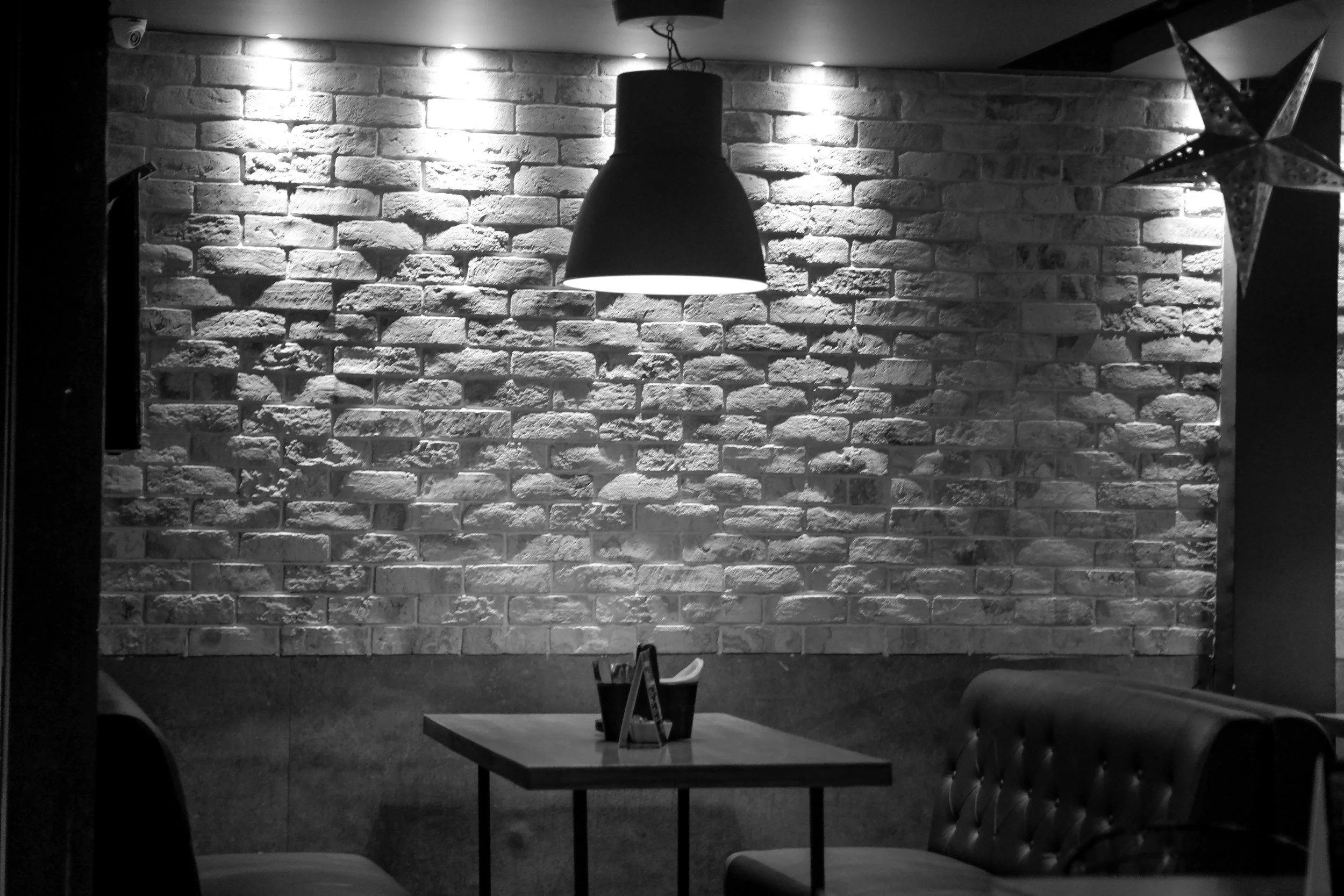
You leave, noticing what was missing more than what was delivered, and the opportunity to personalize the experience and win a loyal returning guest disappears in the process.
The focus shifts to spending more money to understand what a new customer wants instead of investing in the guest you already have and keeping them with you.
Where Hospitality Is Still Done Right
In regions where labor costs are lower, such as Asia, Latin America, and parts of the Middle East, hospitality thrives because:
The guest-to-staff ratio allows for meaningful touch points.
Service feels effortless, thoughtful, and human.
You feel like you are the only one in the room, the way an only child receives all of a parent’s attention.
We will never win a cost-based service race in the United States. But cost was never our greatest advantage.
What We Are Losing in the Name of Survival
Our strength lies in creativity, storytelling, intentional design, and the ability to create emotional resonance. Yet many hospitality brands are neglecting these capabilities in the name of operational survival, trimming so deeply that the cuts now reach the bone.
Guests sense it immediately.
They feel the strain, and it creates a quiet cringe as they watch hospitality teams struggle to keep their heads above water. Servers managing oversized sections. Bartenders with no time to look up.

Staff rushing from task to task with barely a moment left to connect, personalize, understand intentions, or read the body language that once guided the entire experience.
Managers are no longer guiding the atmosphere, the energy, or the intention of the experience. Instead, they are filling operational gaps created by rapid shifts and reduced staffing. It becomes a slow burn that, on some days, feels dangerously close to a dumpster fire.
This is the new norm of hospitality if you take even a brief look behind the curtain. Teams are exhausted, overwhelmed, and in some cases carrying a quiet resentment that spills directly into the guest experience whether they realize it or not.

Training, which should be a source of stability and empowerment, is often the first thing cut. Without it:
>> Teams lack the tools and confidence needed to rise above these challenges.
>> Staff can lose the intention behind the technology they are expected to use.
>> Cost-saving tools become another burden instead of a strategic support because teams are often left out of the why and the how.
With that, the erosion becomes visible not only in the guest journey but in the internal one as well.
If 2026 Growth Is Soft, Your Visibility Must Be Loud
When the market tightens, most brands pull back. They cut marketing and personnel. Training gets pushed aside. They shrink their storytelling, and they wait for demand to appear.
But waiting is not a strategy.
Conversation is a strategy. Visibility is a strategy. Being unmistakably and authentically you is the strategy.
Creating demand in a soft market requires brands to excel at three things
1. Develop a Clear and Resonant Voice Grounded in Real Experience
The brands that win are the ones that stand for something. The ones whose values and personality are impossible to ignore.
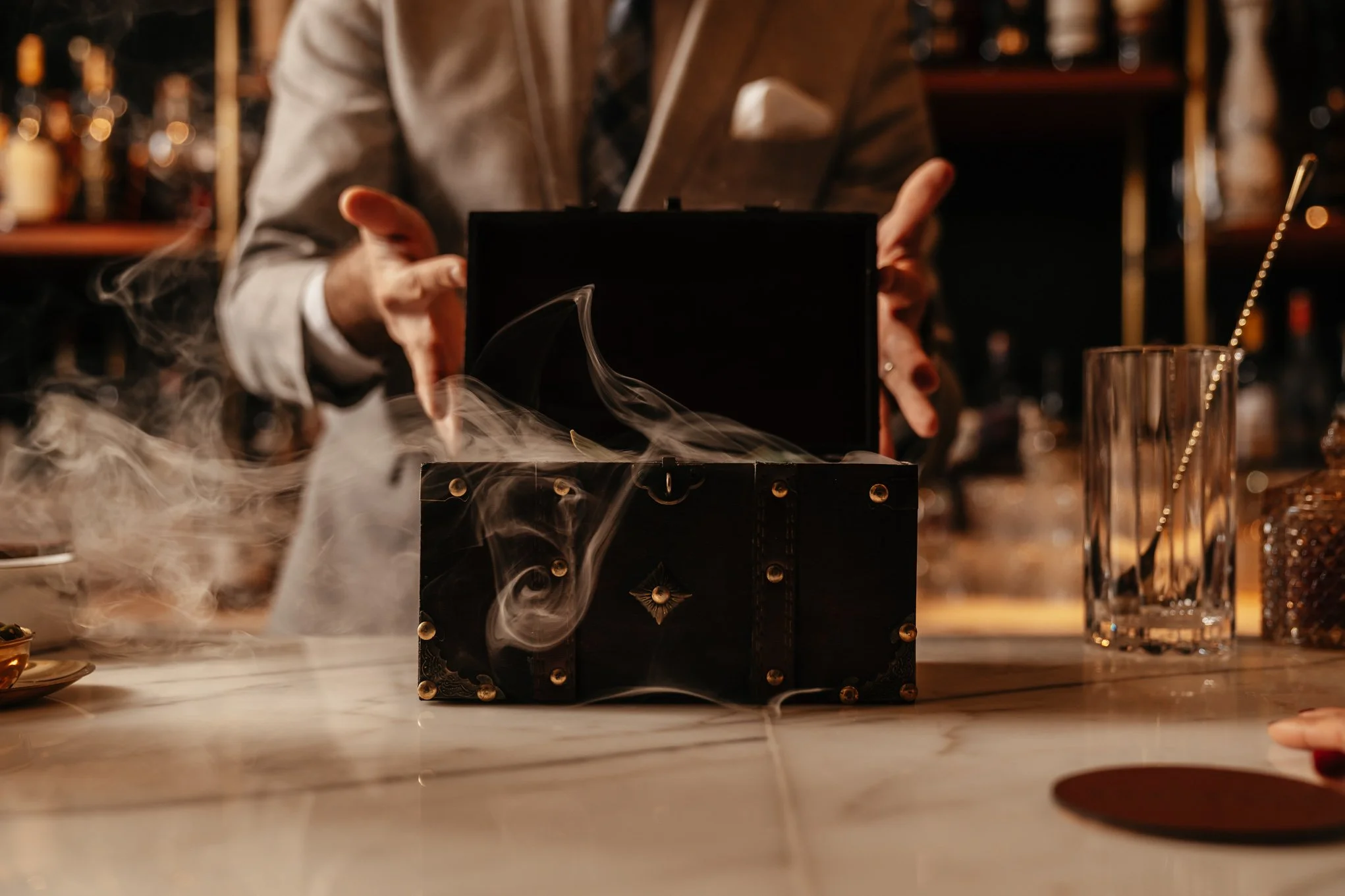
Hospitality may be about rooms and tables, but what guests remember is how a brand makes them feel.
A distinct and steady voice builds trust, loyalty, and magnetism.
2. Build Community as a Growth Engine
Community is not a campaign. It is the center of modern demand. A brand that fosters belonging becomes a brand people speak about without prompting.
As traditional visibility channels grow more crowded, community becomes one of the strongest differentiators a brand can cultivate.
3. Invest in Training and Team Intention
Training is not a cost center. It is a growth strategy. When you invest in your team, you give them the clarity, confidence, and purpose needed to carry your brand forward.
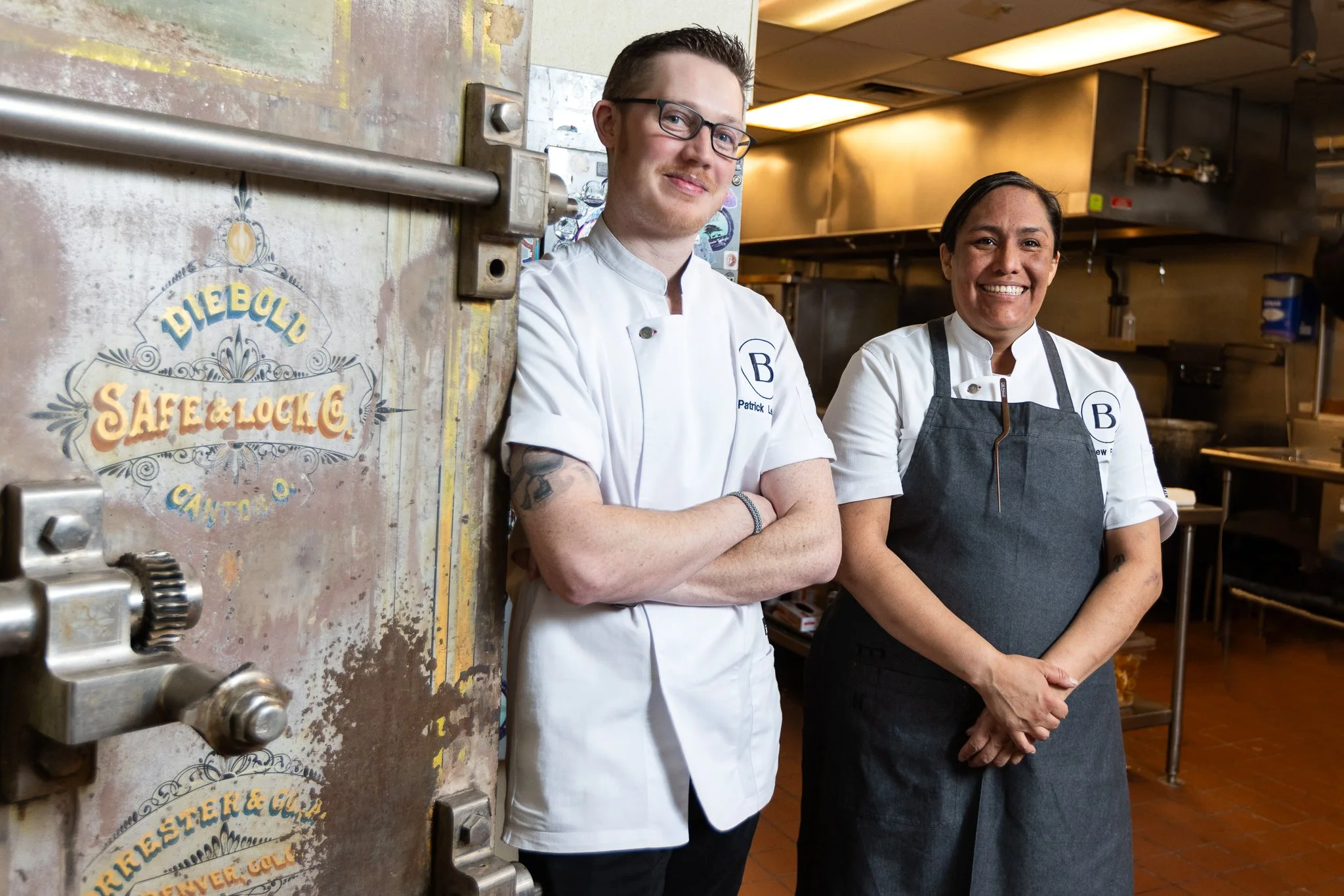
A reset in training allows teams to understand not only what to do, but why it matters and how it contributes to the larger vision.
Bring them into the strategy once budgets are approved so they can help:
>> Shape the execution
>> Strengthen the intention behind the work
>> Feel ownership in the experience they deliver.
Teams that feel informed and empowered create service moments that earn loyalty and drive long-term demand.
Personalization Is Still the Ultimate Luxury, but It Must Be Engineered Differently
We cannot recreate the labor models of service-rich markets. But we can design moments of personalization that matter.

This requires a shift from tech everywhere to tech with intention. And it compels brands to:
>> Automate what does not require emotion.
>> Systemize what creates friction.
>> Reserve human interaction for the moments that create memory.
Technology should support personalization, not replace it. The future belongs to brands that build systems and training structures that allow lean teams to show up with real impact. The brands that design space for humanity instead of shrinking it will be the ones guests remember.
Hospitality’s Winners in 2026 Will Do These Things
The most successful hospitality brands will be those that:

>> Speak loudly and consistently with conviction
>> Double down on distinctiveness and stop sounding like everyone else
>> Craft experiences that feel personal, intentional, and unmistakably human
>> Ensure every team member is included in understanding the vision and in learning how to communicate it with clarity and confidence
Hospitality Is Not Dying. It Is Evolving. The Question Is Whether We Evolve With It.
The industry stands at a turning point. Efficiency and humanity do not need to compete. They need to coexist.
Leaders who rethink experience design, recommit to training and team intention, and invest in authentic visibility will be the ones who rise. A softer market does not have to mean a softer brand. This can be the moment you gain ground.
Why Hospitality Brands Cannot Afford Silence in 2026
If you want to elevate your visibility, sharpen your voice, and design experiences that create real demand, Alias Creative is ready to partner with you.
We help hospitality brands cut through the noise, craft unforgettable identities, strengthen team intention, and build community-powered growth.
If you are ready to lead instead of react, let us talk.
Begin with a conversation with strategic partners who can listen to your pain points and share a clear path for how to create the experience and visibility your brand needs most.
About Linh Pham

Linh Pham is an experienced restaurant and bar consultant who has served as General Manager and Executive Director of Food & Beverage at top-tier properties, including the Waldorf Astoria Chicago, where he led the team to a 2024 AAA Five‑Diamond designation.
Linh pairs hands-on leadership with deep operational expertise and revenue-driving strategy, shaping how modern hospitality brands resonate, grow, and thrive.