Hospitality Brand Strategy
Building Hospitality Brands People Remember & Love
The most successful hospitality brands are rarely defined by their buildings, menus, amenities, or marketing campaigns alone.
They are remembered and, often, loved because every interaction reinforces a clear promise.
From the first Google search and Instagram post to booking, service, and beyond, exceptional hospitality brands create a consistent experience that builds trust, inspires loyalty, and keeps guests coming back.
At Alias Creative, we believe hospitality branding is a strategic business discipline, not merely a creative exercise. Our approach combines market insight, brand positioning, creative thinking, hospitality expertise, and measurable growth strategies to help organizations develop brands that feel authentic, differentiate themselves in competitive markets, and create lasting value for guests and stakeholders alike.
Discover how Alias approaches hospitality branding and:

How Hospitality Brands Compete on Memory
What Hospitality Brand Strategy Really Means
The Foundations of Exceptional Hospitality Brands
The Business Impact of Strong Hospitality Branding
Our Hospitality Brand Strategy Process
Positioning Hospitality Brands for Long-Term Growth
How Brand Strategy Can Make Every Guest Touchpoint Unique
Hospitality Branding for the Future of Search
Hospitality Rebranding for the Next Stage of Growth
Why Hospitality Brands Partner with Alias
Whether you're launching a new concept, repositioning an existing property, or preparing for your next stage of growth, Alias develops tailored hospitality brand strategies that differentiate businesses, strengthen customer loyalty, and position brands for enduring success.
How Hospitality Brands Compete on Memory, Not Just Marketing
Many hospitality businesses believe their biggest challenge is generating more visibility.
In reality, visibility is rarely the problem.
The real challenge is creating a brand people remember.
That’s because today's consumers have more options than ever before. So, they tend to:
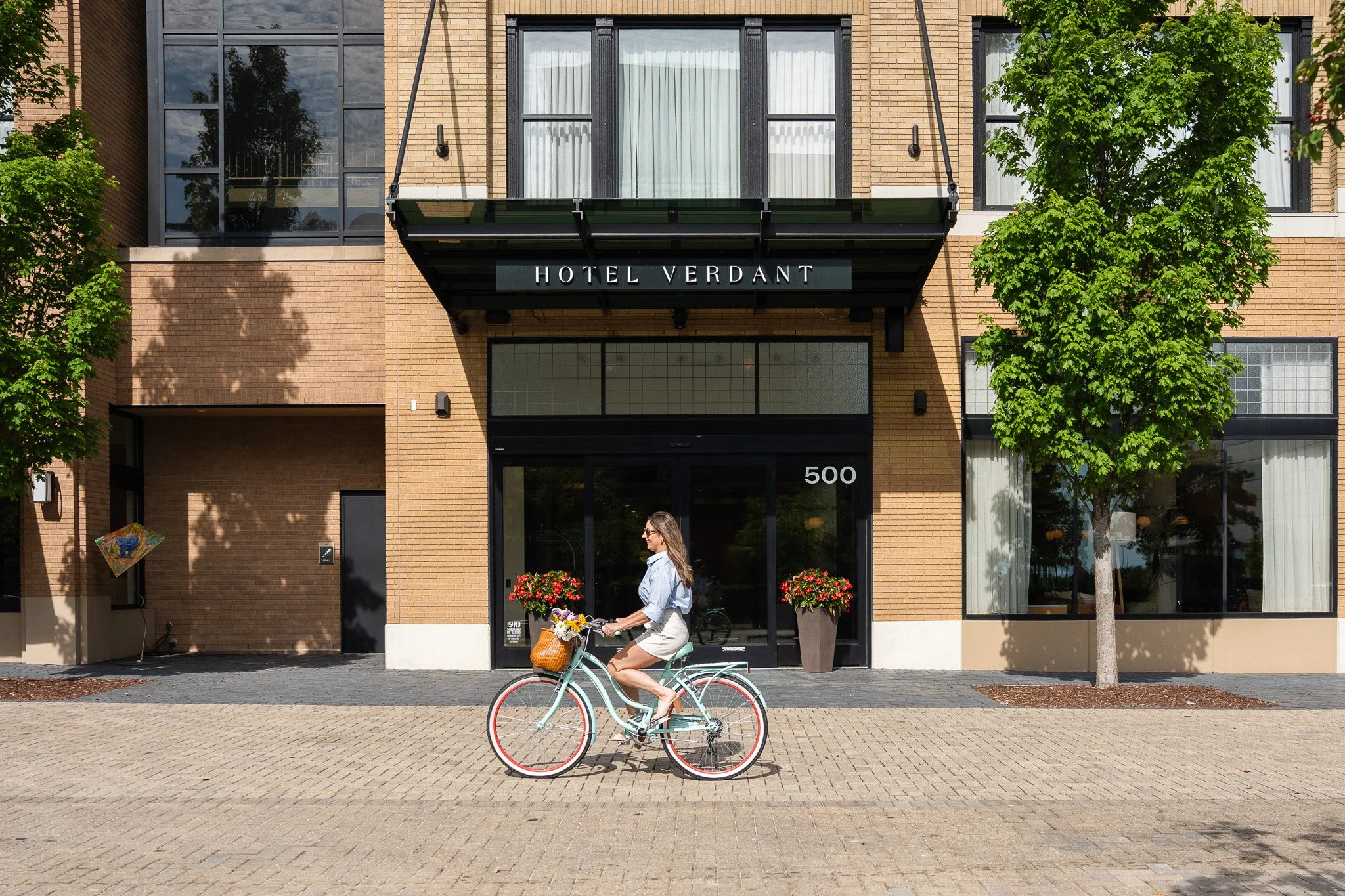

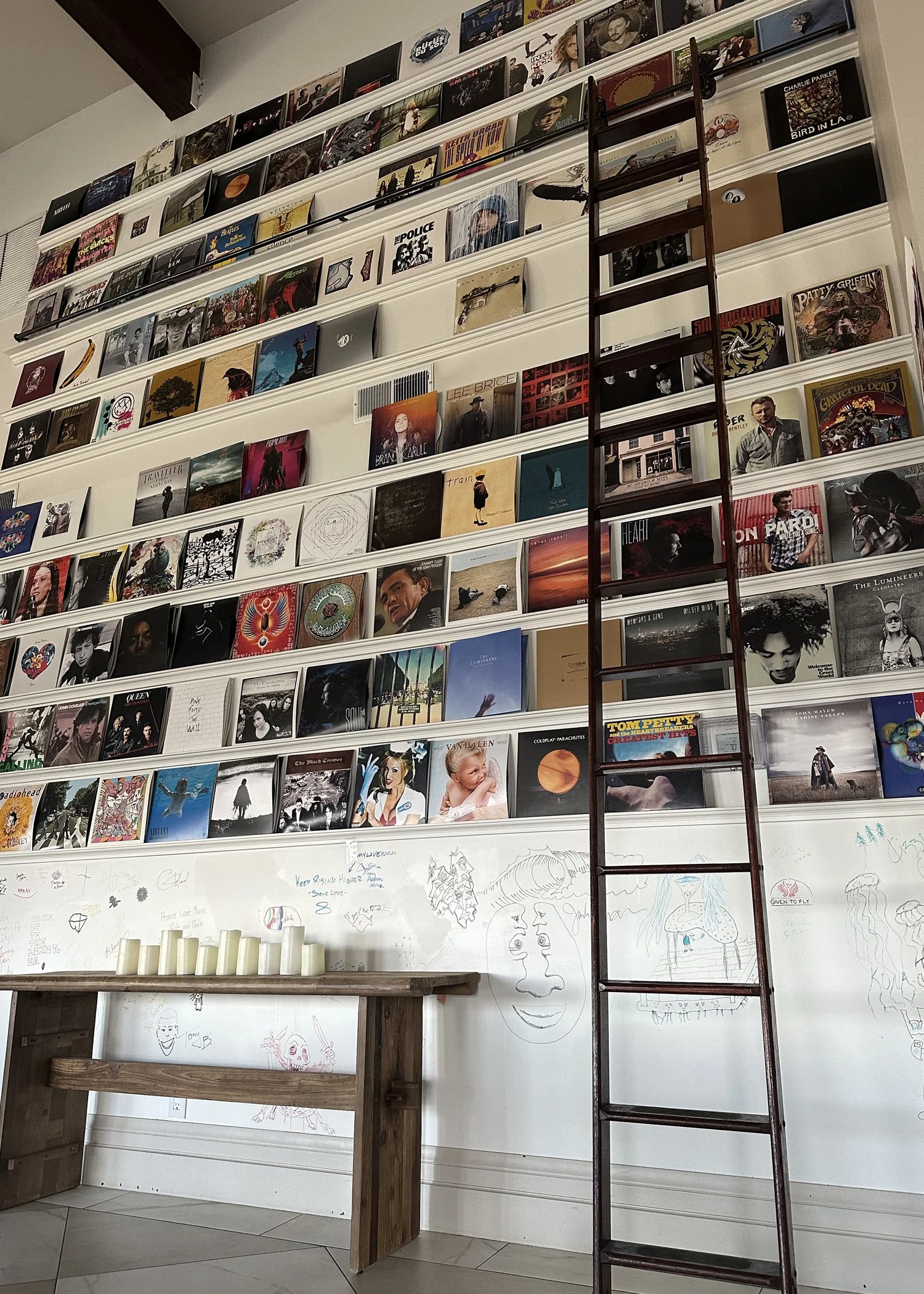
In other words, long before someone becomes a customer or patron, they begin forming impressions.
That means every photograph, review, social post, and digital interaction can either reinforce confidence or introduce uncertainty.
Hospitality branding is the strategic process of intentionally shaping those perceptions into a clear, memorable, and differentiated identity.
When executed effectively, branding creates consistency across every guest touchpoint while helping organizations compete on emotional connection, which can be much more valuable than price alone.
What Hospitality Brand Strategy Really Means
Brand strategy is often reduced to logo designs or visual identity projects. While those elements certainly matter, they represent only one component of a much larger strategic framework.

Effective hospitality branding answers fundamental questions, like:
>> Why should anyone choose your property instead of another?
>> What emotional experience should visitors associate with your brand?
>> How should your business be positioned within the market?
>> What differentiates your concept from competitors?
>> What story should every customer interaction reinforce?
>> How can every department, from operations to marketing, support one consistent brand experience?
These questions influence decisions ranging from interior design and photography to website messaging, recruitment, social media, food and beverage programming, partnerships, customer-facing communications, and marketing campaigns.
When every element aligns around a clear strategic vision, hospitality brands become easier to recognize, easier to trust, and significantly more difficult for competitors to replicate.
Every Guest Interaction Reinforces Your Brand
Successful hospitality brands think beyond marketing campaigns.
They consider the complete guest journey, which includes:
- Brand positioning
- Messaging architecture
- Visual identity
- Guest experience
- Digital marketing
- Photography and video
- Public relations
- Social media
- Food & beverage experiences
- Local partnerships
- Experiential activations
- Website experience
- Booking journey
- Customer communications
- Reputation management
- Brand partnerships
Rather than treating these as separate initiatives, these elements are aligned to become coordinated components of a cohesive, unified brand strategy.
The Foundations of Exceptional Hospitality Brands
The strongest hospitality brands rarely succeed due to a single marketing campaign.
They succeed because every aspect of the business reinforces the same promise.
At Alias, we believe effective hospitality branding is built upon six interconnected pillars.
-
Why does your brand exist beyond selling rooms, meals, or experiences?
Purpose gives employees direction and gives customers something meaningful to connect with.
-
What space should your brand occupy within the market?
Strong positioning identifies who you serve, what you do differently, and why guests should care.
Without clear positioning, marketing becomes significantly less effective and, often, more forgettable.
-
Hospitality brands should feel human.
Whether sophisticated, adventurous, welcoming, playful, refined, energetic, or understated, personality creates emotional familiarity that visitors recognize across every interaction.
-
Promises create expectations.
Experiences either validate or contradict them.
From arrival through departure, every interaction should contribute to and enhance brand perception.
-
Guests notice inconsistencies immediately, and consistency can be key to building credibility.
So:
Your website should reflect your property.
Your photography should reinforce your positioning.
Your social presence should match your in-person experience.
-
Great hospitality brands remain recognizable while continually adapting to evolving guest expectations.
That means refining, not reinventing, their identity over time.
Collectively, these six elements establish the strategic foundation that supports marketing, operations, guest experience, recruitment, and long-term business growth.
The Business Impact of Strong Hospitality Branding
Hospitality branding is often viewed as a marketing investment.
In reality, it is a business investment.
That’s because a well-defined brand can influence far more than awareness or aesthetics. It can shape:



Beyond customers, strong hospitality branding can also help leadership teams make better decisions by providing a clear framework for everything from marketing campaigns and partnerships to visitor experience and future growth.
The strongest hospitality brands attract more attention while creating stronger businesses. Here’s how.
-
When guests clearly understand what makes your brand distinctive, they are less likely to compare your business solely on price.
Instead, they evaluate the overall experience, reputation, and confidence your brand inspires.
Over time, this can contribute to:
Greater pricing flexibility
Improved direct booking opportunities
Increased consumer confidence
Higher repeat visitation
Stronger customer loyalty
More positive online reviews
Exceptional branding transforms a hospitality business from one of many options into the preferred choice.
-
Without a clearly defined brand strategy, marketing often becomes reactive. That can mean that:
Campaigns lack consistency.
Messaging shifts.
Creative feels disconnected.
Every initiative requires reinventing the story.
A strong brand provides a strategic foundation that makes every marketing effort more effective, from SEO and paid advertising to public relations, social media, photography, and content creation.
Instead of competing for attention through volume, your business earns recognition through consistency.
-
Branding influences more than purchasing decisions.
It can also shape perception among prospective employees, partners, investors, media outlets, and community stakeholders.
People increasingly want to work with organizations whose values, culture, and experiences align with their own.
The same clarity that attracts ideal guests can also help attract exceptional talent and strategic partnerships, creating momentum that extends well beyond marketing performance.
-
Marketing campaigns come and go, platforms evolve, and algorithms change.
With that, visitor expectations can be fluid and continually evolving.
A thoughtfully developed brand provides something much more durable—a recognizable identity that continues to create value, regardless of changing tactics or technologies.
That’s why most successful hospitality brands continue building on a clear strategic foundation that strengthens recognition, trust, and loyalty over time.
Hospitality branding should do more than look exceptional. It should support measurable growth, stronger customer relationships, and a lasting competitive advantage.
Our Hospitality Brand Strategy Process
Every hospitality business has a unique story, competitive landscape, and growth trajectory. As opposed to applying a standardized branding formula, Alias develops strategies tailored to each client's business objectives, audience, market position, and vision.
Our process is:



-
Every engagement begins with understanding where your brand stands today.
To do that, our hospitality branding experts will evaluate:
Existing brand perception
Market positioning
Competitive landscape
Guest demographics and behaviors
Digital presence
Customer experience
Website performance
Search visibility
Social channels
Photography and creative assets
Online reputation
Existing marketing initiatives
This discovery phase often reveals opportunities that extend well beyond marketing, identifying inconsistencies, missed differentiation opportunities, and untapped competitive advantages.
-
Hospitality markets are increasingly crowded. So, successful brands rarely win by attempting to appeal to everyone.
Alternatively, Alias Creative identifies where your brand can occupy a distinctive position within the marketplace, evaluating:
Direct competitors
Emerging concepts
Regional competitors
National hospitality trends
Visitor expectations
Brand whitespace opportunities
Pricing strategy
Experience differentiation
Our goal isn't simply to make your brand different.
It's to make it more meaningful to the people you most want to attract.
-
With the research complete, our branding team will define the strategic foundation that will guide all future marketing initiatives. This includes:
Brand positioning
Core messaging
Value proposition
Audience personas
Brand personality
Voice and tone
Experience pillars
Competitive differentiators
Brand story
Customer promise
These strategic decisions become the blueprint for future creative, marketing, operations, and customer communications.
-
Brand strategy can only create value when it’s consistently implemented.
Alias Creative helps translate strategy into execution across every guest interaction, including (but not limited to):
Website strategy
Hospitality marketing campaigns
AI search optimization (GEO)
Brand partnerships
Creative direction
Content strategy
That’s how every touchpoint coalesces to reinforce the same brand narrative.
Transform your brand strategy into a cohesive guest experience that strengthens recognition, builds trust, and drives measurable business growth.
Positioning Your Hospitality Brand for Long-Term Growth
One of the most common branding challenges our experts encounter is not poor marketing. It's unclear positioning.

That’s because many hospitality businesses describe themselves using language that could apply to nearly every competitor, throwing around phrases like:
>> Exceptional service
>> Luxury accommodations
>> Unique experiences
>> Outstanding hospitality
>> Elevated dining
>> Personalized service
While these qualities matter, guests already expect these things, and these descriptors rarely create meaningful distinction.
Effective positioning answers a far more important question:
Why should someone choose your brand instead of another with similar amenities, pricing, or location?
The answer rarely lies in a tagline.
Instead, it emerges from a thoughtful combination of market research, guest insights, operational strengths, creative storytelling, and consistent execution.
-
Amenities can be copied. Design trends evolve. Menus change.
And marketing campaigns end.
A clearly positioned brand creates enduring value because it represents something competitors cannot easily replicate, like:
A distinctive guest philosophy
Authentic local experiences
Culinary leadership
Community engagement
Lifestyle alignment
Sustainability initiatives
Design vision
Cultural storytelling
Experiential programming
Service philosophy
These attributes can become part of the fabric of brand identity, not simply promotional messaging.
-
Hospitality decisions are emotional long before they become transactional.
Guests often choose brands because they identify with what those brands represent. In other words:
They aren't simply selecting a hotel. They're choosing how they want to travel.
They're not merely booking dinner. They're selecting the experience they want to share.
Strong branding transforms businesses from interchangeable options into preferred destinations.
Clarify your positioning, strengthen your market presence, and create meaningful differentiation that extends beyond price or location.
Brand Strategy Brings Every Guest Touchpoint Together
A memorable hospitality brand isn't built through a logo, a website, or a marketing campaign alone.
It's built through consistency.
Guests don't experience your business one department at a time. They experience one brand. Every interaction, from discovering your business online to checking out after their stay, shapes how they perceive your organization.
When those experiences consistently reinforce the same promise, brands become more recognizable, more trusted, and more likely to earn repeat business.
-
Hospitality brands can cultivate thousands of guest interactions every year.
The strongest brands ensure those interactions feel intentional, not accidental, with cohesive branding across:
Website messaging and user experience
Visual identity and creative direction
Photography and video
Guest communications
Food and beverage presentation
Social media
Public relations
Partnerships
Service standards
Environmental design
Online reviews and reputation management
Rather than operating independently, each of these touchpoints should reinforce the same positioning, personality, and guest expectations.
-
One exceptional experience rarely builds a lasting brand.
Consistency does.
When guests encounter the same level of quality, professionalism, and personality across every interaction, confidence grows naturally.
That confidence can influence:
Booking decisions
Guest loyalty
Online reviews
Referrals
Repeat business
Brand advocacy
Over time, consistency can become one of the most valuable competitive advantages a hospitality organization can develop.
-
Strong hospitality brands don't simply make promises through marketing.
They fulfill those promises through experience.
When brand strategy aligns with operations, guest service, creative, marketing, and leadership, every interaction strengthens the reputation you've worked to build.
That alignment can transform branding from a marketing initiative into an enduring business asset.
Bring your positioning, guest experience, marketing, and creative together under one clear strategy that builds trust and long-term brand equity.
Hospitality Branding for the Future of Search
The way people discover hospitality brands is evolving.

Today's travelers and diners move fluidly between traditional search engines, AI-powered search experiences, social platforms, online reviews, digital publications, and recommendations before deciding where to stay, dine, or explore.
Increasingly, those discovery journeys are influenced by artificial intelligence.
Travelers increasingly ask AI platforms where to stay, dine, celebrate, or explore—making brand consistency even more important.
Rather than relying solely on keywords, modern search experiences evaluate whether a business consistently demonstrates expertise, credibility, and relevance across its digital presence.
For hospitality brands, that means strong branding is no longer just a marketing advantage. It has become a discoverability advantage.
-
The hospitality brands most likely to earn visibility over time are those that consistently communicate who they are, who they serve, and why they are unique.
That consistency extends across:
Website content
Photography and visual storytelling
Public relations
Social and email campaigns
Brand messaging
When every touchpoint reinforces the same positioning, both prospective guests and search platforms tend to develop greater confidence in your brand.
-
One of the most effective ways to strengthen hospitality branding is to share meaningful expertise consistently.
Educational resources, industry insights, case studies, trend analysis, and practical guidance demonstrate real-world experience while helping prospective clients make more informed decisions.
For businesses, this can foster trust before the first conversation.
For search engines and AI-powered discovery platforms, it can provide additional evidence that your organization is an authoritative voice within the hospitality industry.
That combination strengthens both visibility and credibility.
From strategic positioning to authoritative content and digital brand consistency, Alias helps hospitality brands earn trust, improve visibility, and position themselves for continued growth.







Rebranding Hospitality Businesses for the Next Stage of Growth
Not every hospitality brand needs a complete reinvention.
In many cases, the strongest rebrands preserve the qualities guests already value while thoughtfully reflecting new audiences, changing market conditions, and future growth objectives.
With that, a successful rebrand is about ensuring your brand accurately represents who you are today and where you're headed tomorrow.
Whether you're introducing a new concept, modernizing an established property, repositioning after a renovation, or preparing for expansion, strategic rebranding can create new momentum while strengthening long-term brand equity.

8 Signs It May Be Time to Rebrand
Hospitality businesses often reach an inflection point where incremental marketing improvements are no longer enough.

That can be an ideal time for a hospitality rebrand.
In fact, some common indicators that rebranding may be necessary include:
1. Your brand no longer reflects the guest experience you provide.
2. Your target audience has evolved.
3. Revenue growth has plateaued despite marketing investment.
4. Guest expectations have changed significantly.
5. Your business has undergone renovations, ownership changes, or operational improvements.
6. Competitors have repositioned themselves more effectively.
7. Marketing efforts feel inconsistent across channels.
8. New services, experiences, or amenities aren't reflected in your current positioning.
A thoughtful rebrand at these junctures can create clarity and dispel confusion.
Brand Refresh vs. Complete Rebrand
Every project begins with understanding the scale of change that's actually needed. In particular, that can start with deciding between a brand refresh and a strategic rebrand.
While both approaches can advance a brand, they serve distinct purposes and are appropriate under specific circumstances, as the table below shows.
| When to Consider a… | |
|---|---|
| Brand Refresh | Strategic Rebrand |
| Visual identity feels dated | Entering a new market |
| Messaging lacks consistency | Launching a new concept |
| The competitive landscape has evolved | Repositioning within a competitive landscape |
| Photography no longer represents the property | Appealing to a new or distinct guest demographic |
| Guest experience has evolved | Recovering from reputation challenges |
| Marketing requires modernization | Supporting acquisitions or portfolio expansion |
| Outcomes | |
| Strengthens existing brand equity while improving relevance | Repositions the brand to support new business objectives, markets, audiences, or lasting growth |
Beyond updating creative assets, strategic rebranding redefines how the market understands your business.
Our Approach to Hospitality Rebranding
Successful rebrands begin with listening, not designing. Consequently, Alias Creative evaluates:

>> Current perception
>> Guest expectations
>> Market opportunities
>> Competitive positioning
>> Existing brand equity
>> Operational strengths
>> Future business objectives
Only then do we develop recommendations that preserve what's working while strengthening what isn't.
Our goal isn't change for the sake of change. It's building a stronger platform for sustainable growth.
Hospitality Branding That Extends Beyond Marketing
One of the biggest misconceptions about branding is that it belongs exclusively to the marketing department.
In reality, every team contributes to your brand. That includes:
- Operations
- Sales
- Guest services
- Food and beverage
- Leadership
- Human resources
- Creative
- Technology
Every interaction can either reinforce or weaken the experience your brand promises.
That's why we believe hospitality branding should align the entire organization around one shared vision.
-
A clearly defined brand can become a decision-making framework, influencing:
Hiring and employee culture
Guest communications
Partnership opportunities
Marketing investments
Menu development
Programming and events
Design decisions
Technology implementation
Customer service standards
Community engagement
Instead of asking,
"What should we market?"
Organizations begin asking,
"Does this strengthen our brand?"
That shift can create remarkable consistency over time.
-
Guests don't experience departments. They experience one brand.
When every touchpoint supports the same promise, organizations create:
Greater trust
Higher guest satisfaction
Stronger loyalty
More referrals
Better online reviews
Higher perceived value
Increased pricing flexibility
That can make brand strategy a true competitive advantage that extends well beyond advertising.
Create a hospitality brand where every interaction reinforces the same memorable experience.
Why Hospitality Brands Partner with Alias
Hospitality branding requires more than creative execution.
It requires understanding how branding influences operations, guest expectations, marketing performance, digital discovery, and long-term business growth.

That's where Alias comes in.
Rather than approaching branding as a standalone design exercise, we help clients develop integrated strategies that connect positioning, storytelling, creative, marketing, and guest experience into one cohesive brand ecosystem.
-
Every engagement starts with listening and working closely with stakeholders to understand:
Business objectives
Market dynamics
Audience expectations
Competitive pressures
Growth opportunities
Operational realities
This discovery process ensures every brand is built with intention, aligning business strategy, market positioning, and creative execution into one aligned identity.
-
Our experience spans numerous hospitality categories, including (but not limited to):
Hotels
Resorts
Restaurants
Private clubs, country clubs, and day clubs
Hospitality management companies
Food and beverage brands
Entertainment venues
Mixed-use destinations
Tourism organizations
Lifestyle brands
While every project is unique, one principle remains consistent—great brands create experiences people remember.
-
Alias has expertise across multiple disciplines, allowing clients to execute a unified brand strategy through services including:
Brand Strategy
Hospitality Marketing
Restaurant Consulting
Search Engine Optimization (SEO)
AI Search Optimization (GEO)
Social Media
Public Relations
Photography
Video Production
Brand Partnerships
Creative Campaigns
Content Strategy
Instead of managing multiple disconnected vendors, clients benefit from a coordinated approach where every initiative reinforces a shared vision.
Partner with a team that combines strategic thinking, creative expertise, and hospitality industry experience to help your brand stand apart in a competitive marketplace.
Building Hospitality Brands That Stand the Test of Time
Hospitality trends evolve. Guest expectations shift. Technology changes.
And marketing channels are continually expanding.

Yet, the strongest hospitality brands consistently outperform competitors because they are built upon strategic principles, not temporary trends.
That means they:
>> Understand who they serve.
>> Communicate with clarity.
>> Deliver unforgettable experiences.
>> Maintain consistency across every interaction.
They also continue refining their brand without losing sight of what made them successful in the first place.
That is the foundation of sustainable brand equity.
The Future Belongs to Distinctive Hospitality Brands
Hospitality branding is about shaping perceptions, building trust, differentiating your business, and creating experiences that inspire loyalty long after the first visit.
When strategy, creativity, operations, and guest experience work together, brands become more than places people visit.
They become places people can’t wait to go back to.
At Alias, we help hospitality organizations transform ambitious ideas into distinctive brands that resonate with guests, strengthen market position, and support big-picture business growth.
Let's build a hospitality brand that inspires lasting impressions and real loyalty.
FAQs
-
Hospitality branding is the strategic process of defining how guests perceive a business across every interaction. It extends beyond logos and visual identity to include positioning, messaging, guest experience, digital presence, reputation, partnerships, and marketing.
Effective hospitality branding creates consistency, builds trust, sets a business apart from competitors, and encourages guest loyalty.
-
Branding establishes who you are and what your business stands for, while marketing communicates that story to prospective guests.
Think of branding as the strategic foundation and marketing as the ongoing promotion of that foundation.
Without a clearly defined brand strategy, even well-executed marketing campaigns can feel inconsistent or fail to create lasting differentiation.
-
There isn't a single trigger, but several signs can indicate it's time to reassess your brand.
These include:
Declining guest engagement
Changing customer demographics
Major renovations
Ownership transitions
Expanded service offerings
Increased competition
A brand identity that no longer reflects the experience you deliver.
Keep in mind that a strategic rebrand doesn't necessarily mean starting over. It often means refining and strengthening what already makes your business successful.
-
Absolutely.
Many hospitality businesses benefit from a thoughtful brand refresh, as opposed to a complete rebrand. Updating messaging, photography, website content, visual assets, or positioning can modernize perception while preserving the brand equity you've already built.
Our goal is to ensure your brand accurately represents your business today and supports where you're headed tomorrow.
-
Alias partners with organizations across the hospitality and lifestyle industries, including hotels, resorts, restaurants, food and beverage brands, hospitality management companies, mixed-use developments, entertainment venues, tourism organizations, and emerging hospitality concepts.
Every engagement is tailored to the client's business goals, market, and audience, rather than relying on a one-size-fits-all approach.
-
Every project is different, but engagements often include market research, competitive analysis, brand positioning, messaging development, audience insights, creative direction, hospitality marketing strategy, website recommendations, photography guidance, content strategy, public relations planning, social media strategy, and long-term brand activation.
Recommendations are customized to align with each client's objectives, competitive landscape, and growth plans.
-
A clearly defined brand can help businesses build trust, increase recognition, and communicate value more effectively. Over time, that can contribute to:
Stronger guest loyalty
Improved direct bookings
Greater pricing flexibility
More effective marketing
Higher-quality partnerships
Increased referrals.
While branding alone isn't a guarantee of success, it can establish a strategic framework that supports more consistent business growth across nearly every customer touchpoint.
-
Search engines and AI-powered search experiences increasingly reward businesses that demonstrate expertise, consistency, and credibility.
Clear positioning, high-quality educational content, logical site architecture, authentic photography, strong internal linking, and consistent messaging all help search platforms better understand your business while improving the experience for prospective guests.
With that, strong branding can enhance and advance discoverability because it creates clarity for both people and search technology.
-
Alias approaches branding as a business strategy rather than simply a creative exercise.
Instead of treating branding, marketing, photography, public relations, SEO, social media, and guest experience as separate initiatives, we develop integrated strategies that align every aspect of your brand around a cohesive vision.
The result is a more consistent guest experience, stronger market differentiation, and a brand positioned for sustainable growth.
-
Every hospitality branding engagement is different, so timelines vary depending on the size of the organization, the project's scope, and the services involved.
For example, a focused brand refresh may take just a few weeks, while a comprehensive branding or rebranding initiative involving research, positioning, messaging, creative development, website strategy, photography, and implementation can take several months.
At Alias Creative, we begin every engagement by:
Understanding your objectives, priorities, and timeline
Developing a customized roadmap that aligns with your business goals
Ensuring each phase is completed thoughtfully and strategically.
Ready to Build a Hospitality Brand That Stands Apart?
Complete the form below to start the conversation and schedule your hospitality brand strategy consultation.